- From Potato Chips to Jagarico, Karl, and More!
- How Did Japanese Snack Foods Evolve?
- More Than Potatoes: The Many Ingredients in Japanese Snacks
- Japanese Snacks Take Flavor—and Intensity—Seriously
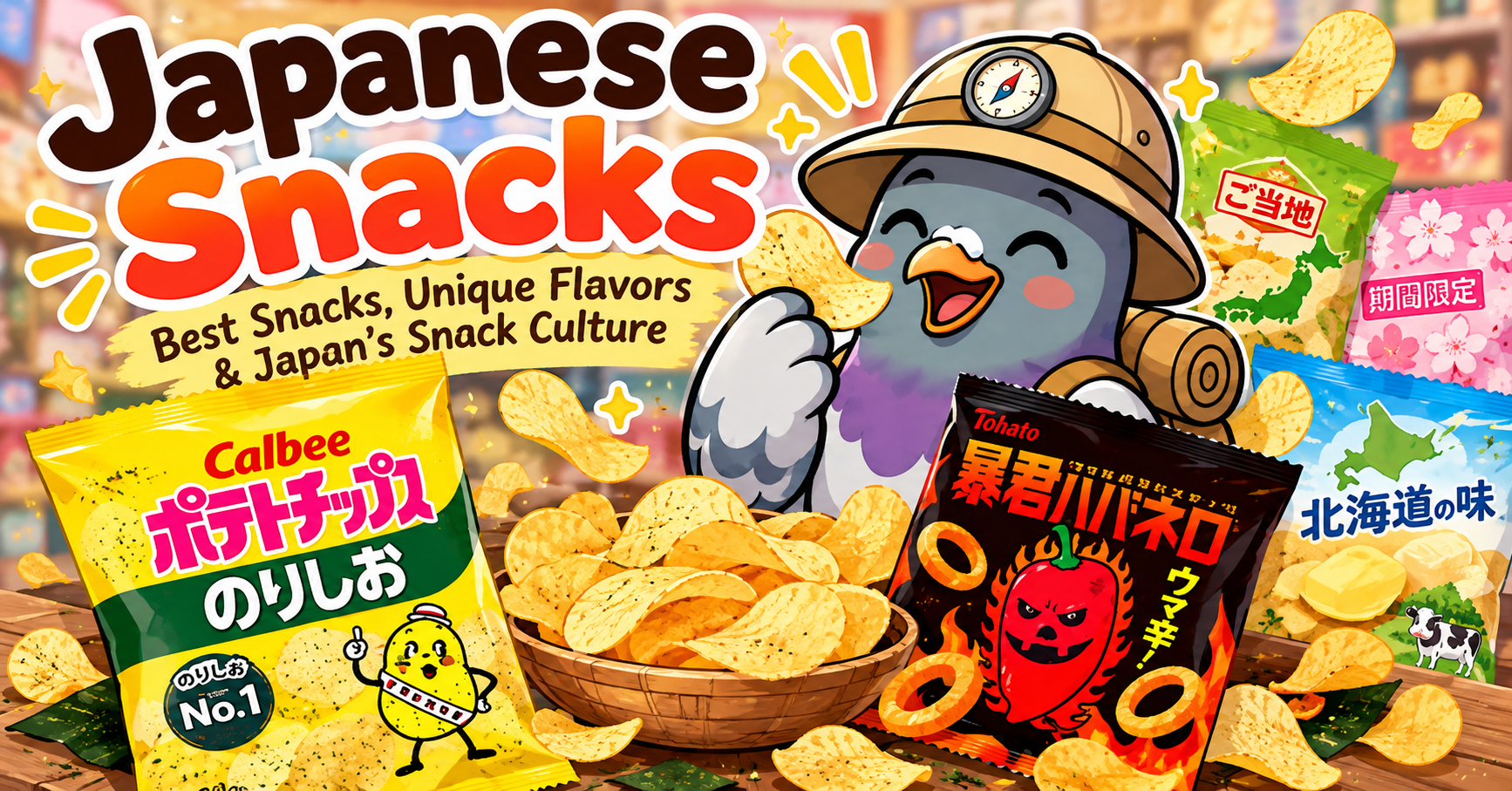
From Potato Chips to Jagarico, Karl, and More!
Walk into the snack aisle of any Japanese supermarket or convenience store, and you’ll find an incredible variety of snacks.
Some, like potato chips, are familiar around the world. Others, such as Jagarico, Karl, Tongari Corn, and Kappa Ebisen, have been loved in Japan for decades.
And they aren’t all made from potatoes.
Japanese snack foods are made from a wide variety of ingredients, including corn, wheat, shrimp, and more. They come in different shapes and textures, from light and crispy to crunchy and firm.
Then there are the flavors.
Alongside familiar flavors, you’ll find distinctly Japanese choices such as seaweed, soy sauce, wasabi, and ume plum, as well as regional and limited-edition varieties.
So why are Japanese snack foods so diverse?
In this guide, we’ll explore the history of Japanese snack foods, the ingredients and flavors that make them unique, some long-time favorites, and the fun world of regional and limited-edition snacks.
How Did Japanese Snack Foods Evolve?
Snack foods such as potato chips and corn snacks are enjoyed around the world.
As snack foods became increasingly popular in Japan, Japanese food companies began developing a wide variety of their own products.
But they didn’t simply recreate snacks that already existed overseas.
Companies developed flavors suited to Japanese tastes, experimented with new textures, and even created completely new shapes and ways to enjoy snacks.
Today, Japanese snack aisles are filled not only with familiar potato chips, but also with products featuring distinctive shapes, textures, ingredients, and flavors.
Japan has a long history of adopting foods from other countries and adapting them to local tastes.
Japanese snack foods are another fascinating example of this approach to food and product development.
More Than Potatoes: The Many Ingredients in Japanese Snacks
When you hear the words “snack food,” potato chips may be the first thing that comes to mind.
But take a closer look at a Japanese snack aisle, and you’ll discover products made from many different ingredients.
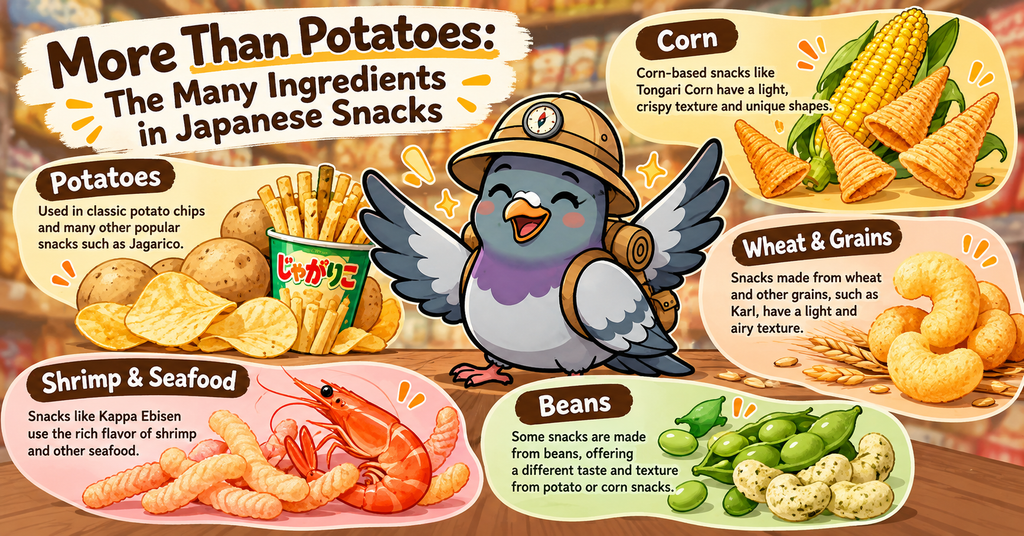
Potatoes
Potato-based snacks are extremely popular in Japan.
There are classic thinly sliced potato chips, but that’s only the beginning.
Products such as Jagarico transform potatoes into crunchy sticks, while other snacks focus on thicker cuts and firmer textures.
Some products even emphasize where their potatoes come from, the varieties used, and the natural flavor of the potato itself.
Corn
Corn-based snacks are another familiar sight in Japan.
One famous example is Tongari Corn.
Its distinctive cone shape and light, crispy texture create a completely different experience from ordinary potato chips.
Wheat and Grains
Wheat and other grains are also used to create light and airy snacks.
One of Japan’s best-known examples is Karl, a snack that has been enjoyed for decades.
Its light texture almost melts away in your mouth, making it very different from a traditional potato chip.
Shrimp and Seafood
As you might expect from an island nation with a strong seafood culture, Japan also has snacks that make use of seafood flavors and ingredients.
One of the most famous is Kappa Ebisen.
With its shrimp flavor and light, crunchy texture, it has been a Japanese snack favorite for generations.
This variety of ingredients is one of the things that makes Japanese snack foods so interesting.
Manufacturers don’t simply change the main ingredient—they also develop different shapes and textures to suit each type of snack.
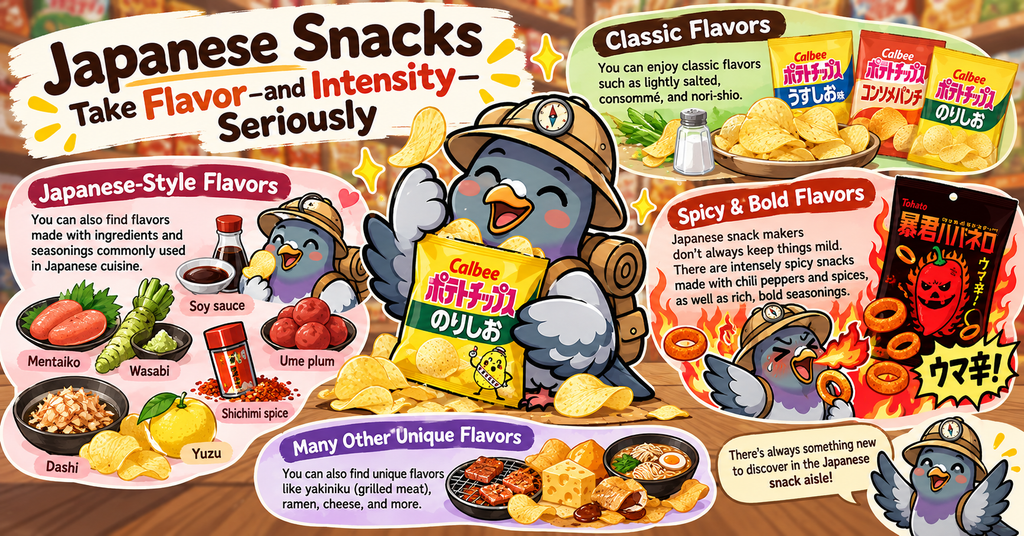
Japanese Snacks Take Flavor—and Intensity—Seriously
Ingredients and shapes aren’t the only things that make Japanese snacks diverse.
There is also an enormous variety of flavors.
For potato chips, some of the classic choices in Japan include lightly salted, consommé, and nori-shio.
Nori-shio, which combines the aroma of seaweed with salt, is an especially good flavor to try if you’re looking for something distinctly Japanese.
You can also find flavors inspired by ingredients and seasonings commonly used in Japanese cuisine, including:
- Soy sauce
- Wasabi
- Ume plum
- Mentaiko
- Dashi
- Shichimi spice
- Yuzu
And Japanese snack companies don’t always keep things mild.
There are intensely spicy snacks made with chili peppers and spices, as well as products with bold, rich seasonings.
Sometimes Japanese snack makers go all in.
That’s part of the fun.
Beyond asking, “What will taste good?”, manufacturers are also asking, “What would be fun to eat?”
That spirit of experimentation is a big part of Japanese snack culture.
Japanese Snack Foods You Should Try
Here are some classic Japanese snacks and products with characteristics that make them particularly interesting.
This isn’t a ranking.
We’ve selected them to showcase different ingredients, shapes, textures, flavors, and ideas found in Japanese snack culture.
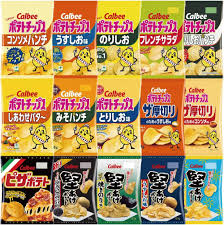
Calbee Potato Chips
One of Japan’s classic potato chip brands.
Popular varieties include lightly salted and Consommé Punch, both of which have been enjoyed in Japan for many years.
If you’ve never tried Japanese potato chips before, this is a great place to start.
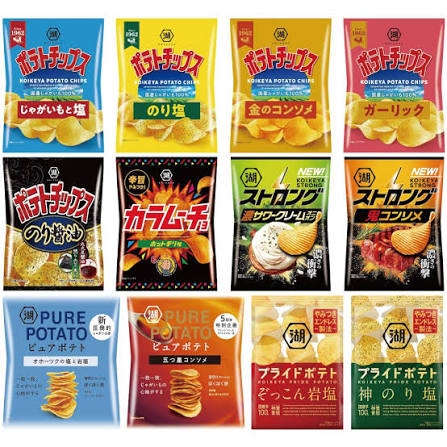
Koikeya Potato Chips Nori-Shio
One of Japan’s classic seaweed-and-salt potato chips.
The aroma of nori adds another layer of flavor to the simple combination of potatoes and salt.
It’s an easy introduction to one of Japan’s most recognizable snack flavors.
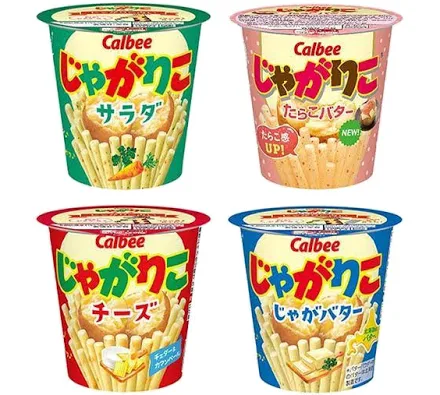
Calbee Jagarico
A potato snack served as crunchy sticks in a cup.
Its firm, crunchy texture makes it completely different from ordinary potato chips.
Jagarico is a great example of how Japanese manufacturers can take a familiar ingredient—potatoes—and turn it into an entirely different snack experience.
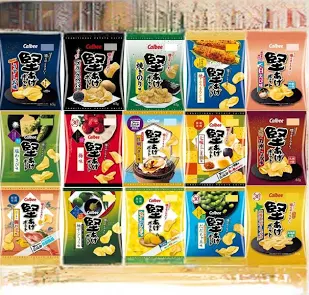
Calbee Kataage Potato
As the name suggests, Kataage Potato is known for its firm, crunchy texture.
Rather than the light crispness of ordinary potato chips, this snack is designed to give you a more substantial bite.
It’s a good example of just how much texture can change the experience of a simple potato snack.
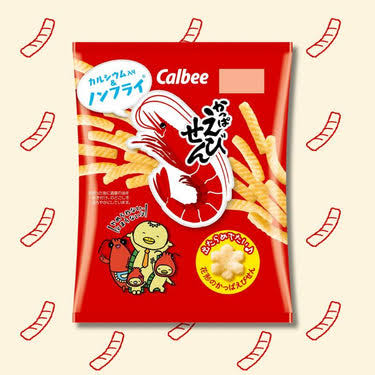
Calbee Kappa Ebisen
A shrimp snack that has been loved in Japan for generations.
It combines a light, crispy texture with the savory flavor of shrimp.
It is also famous in Japan for its long-running slogan:
“Yamerarenai, tomaranai.”
In other words, once you start eating, it’s hard to stop!
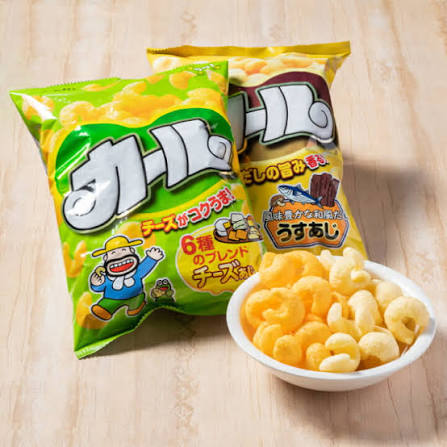
Meiji Karl
Karl is known for its distinctive curved shape and light, airy texture.
It has a long history in Japan, but today its retail distribution is limited to certain regions.
As a result, even within Japan, it isn’t something you’ll necessarily find in every store.
That has made this longtime favorite feel a little more special.
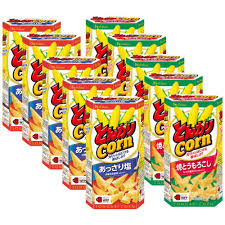
House Tongari Corn
As its Japanese name suggests, Tongari Corn is famous for its pointed cone shape.
But its shape isn’t only visually distinctive.
Many people in Japan have childhood memories of putting Tongari Corn pieces on their fingertips before eating them.
Yes, we play with our snacks too.
That’s part of the fun.
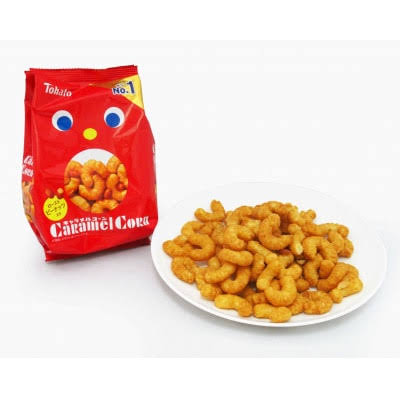
Tohato Caramel Corn
A light, airy snack covered in sweet caramel flavor.
Japanese snacks aren’t limited to salty or savory varieties, and Caramel Corn is a longtime example of the sweeter side of the snack aisle.
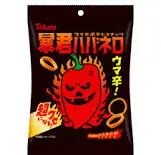
Tohato Bokun Habanero
Even the name has attitude.
Bokun Habanero is a snack built around the intense heat of habanero chili peppers.
With its bold character design, memorable packaging, and fiery flavor, it stands apart from Japan’s milder snacks.
If you love spicy food, this is one Japanese snack worth challenging yourself with.
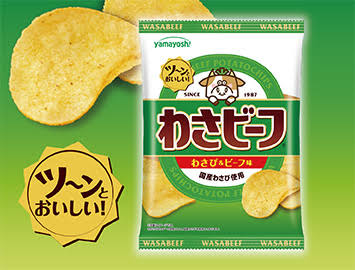
Yamayoshi Wasabeef
Wasabeef combines the sharp kick of wasabi with savory beef flavor.
“Wasabi + beef” might sound like an unusual combination, but that’s exactly what makes it interesting.
It’s a great choice if you want to explore the more creative side of Japanese snack flavors.
Limited Editions, Regional Snacks, Collaborations, and Unusual Flavors
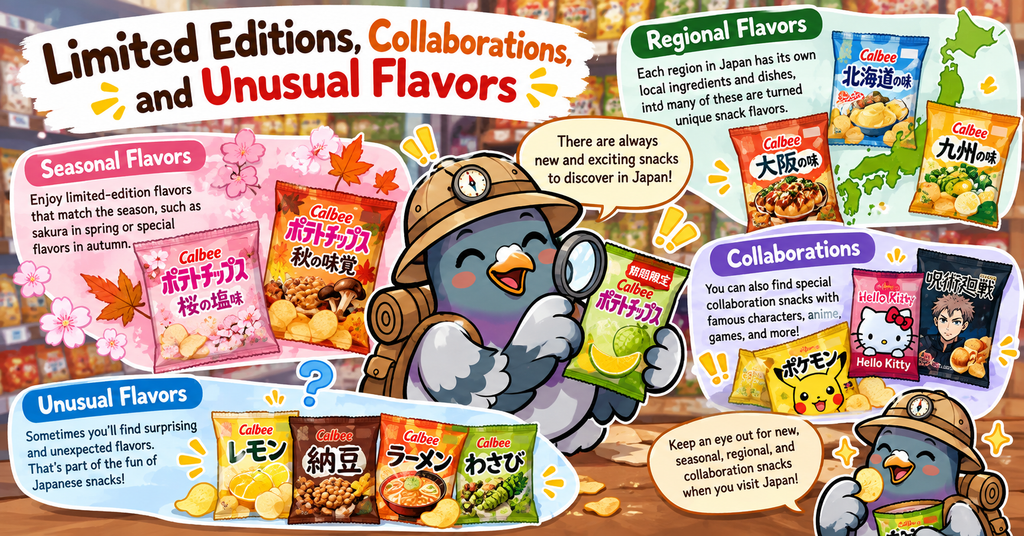
One of the most exciting things about Japanese snack aisles is that the selection is always changing.
Alongside classic snacks that are available throughout the year, you’ll often find seasonal flavors, regional specialties, limited editions, collaborations, and unusual new creations.
Seasonal and Limited-Edition Flavors
Japanese snack companies frequently release flavors for a limited time.
Some are inspired by the seasons, while others are experimental versions of familiar snacks. A new flavor might appear for only a short period before disappearing and being replaced by something completely different.
That’s part of the fun—you never know what you might find on your next visit.
Regional Snacks Across Japan
Japan’s different regions have their own famous ingredients, dishes, and seasonings, and these local food traditions often inspire snack flavors.
From Hokkaido to Okinawa, you may discover products that are only sold in certain areas or snacks inspired by a particular region’s specialties.
These are especially popular as omiyage (souvenirs), making them a fun and easy way to experience Japan’s regional food culture.
Collaborations and Unusual Flavors
Japanese snack companies also love experimenting.
Popular snacks sometimes collaborate with restaurants, food brands, characters, anime, games, and other franchises to create special editions.
And then there are flavors that simply make you wonder:
“They turned THAT into a snack flavor?”
That’s exactly what makes exploring Japanese snack aisles so much fun.
Whether it’s seasonal, regional, collaborative, or just wonderfully strange, there’s always something new to discover.
Where Can You Buy Japanese Snack Foods?
Japanese snack foods are widely available throughout Japan.
Supermarkets
Supermarkets are one of the best places to explore a wide selection of snacks, from everyday favorites to products from different manufacturers.
Depending on the region, you may also discover locally produced snacks.
Convenience Stores
Convenience stores carry popular classics as well as new and limited-edition products.
They’re also incredibly easy to visit while traveling around Japan.
Drugstores
Many Japanese drugstores also sell food and snacks, so you may be surprised by how many products you can find there.
Don Quijote
Don Quijote is another great place to browse a wide range of Japanese snacks and other products.

Japanese Online Stores and Marketplaces
Japanese online stores and marketplaces are another way to search for snacks.
They can be especially useful when looking for regional products or items that are difficult to find in local stores.
Can’t Buy It From Your Country?
Found a Japanese snack you want to try, but can’t buy it in your country?
Japan Treasure Hunter can help you find and purchase products from Japan.
Easy Buy
If you already know exactly what you want and have a product URL from a Japanese website, Easy Buy is the simplest option.
Send us the product URL, and JTH can help purchase the item in Japan.
Deep Research
If you don’t know exactly which product to buy—or don’t know where to find it—Deep Research may be a better choice.
For example:
“Choose some Japanese snacks you recommend.”
“Find me a selection of spicy Japanese snacks.”
“Can you find the Japanese snack I saw on social media?”
“Choose a variety of Japanese snacks for me within a budget of ¥○○.”
JTH can research Japanese products and sellers and help find options based on your preferences and budget.
FAQ
What are some popular Japanese snack foods?
Japan has many longtime favorites, including potato chips, Jagarico, Kappa Ebisen, Tongari Corn, and many others.
Which Japanese snacks should I try first?
A classic lightly salted or nori-shio potato chip is an easy place to start. From there, try something with a different ingredient or texture, such as Jagarico or Kappa Ebisen.
What snack flavors are unique to Japan?
You can find flavors inspired by Japanese ingredients and seasonings such as nori seaweed, wasabi, ume plum, soy sauce, mentaiko, and dashi.
Are Japanese snacks spicy?
Not necessarily. Japanese snacks range from lightly salted and mild flavors to rich seasonings and extremely spicy products such as Bokun Habanero.
Where can I buy Japanese snacks in Japan?
You can find them at supermarkets, convenience stores, drugstores, Don Quijote, and many other retailers. Some products may only be available in certain regions or for a limited time.
Can I buy Japanese snacks from overseas?
Some Japanese online stores sell snack foods, although international shipping availability varies by retailer and product. If a store doesn’t ship to your country, a Japanese purchasing service may be another option.
Japanese Snack Foods and the Spirit of Japanese Product-Making
What makes Japanese snack foods interesting isn’t simply the number of products available.
Take potatoes, corn, wheat, shrimp, and other ingredients.
Change the shape.
Change the texture.
Add flavors familiar to Japanese cuisine.
Make something surprisingly spicy.
Turn a regional dish into a snack flavor.
Then come up with something new again.
Even in something as simple as a snack, you can see the creativity and playful experimentation of Japanese food manufacturers—the constant desire to make something tastier, more interesting, or simply more fun.

Japan’s snack aisles are like little treasure-hunting spots! Don’t just look for the famous snacks—keep an eye out for unusual shapes, flavors you’ve never tried, and regional products too!
If you visit Japan, take some time to explore the snack aisles of supermarkets and convenience stores.
Beyond the famous classics, you might just discover a new Japanese Treasure of your own.
Looking for Japanese Products?
We’ll help you buy, research, or even search for items across Japan.